
OUR PERSPECTIVE
The Tow-Knight Center is not neutral about AI. We have a point of view: the journalism industry needs to move faster and think bigger to ensure our work and values have a place in the rapidly changing information landscape. For that to happen, journalists must be clear-eyed and pragmatic. AI as neither solely a threat to be feared or a magic solution to be embraced uncritically — it is a general-purpose technology reshaping society, the economy and the way people discover and consume information.
OUR APPROACH
AI is changing the fundamentals, not just the workflows. Many conversations about AI in journalism focus on what it can do for efficiency — how to write and edit faster, generate story leads from large data, and publish on more platforms. We think the bigger story is the questions around what journalism is when anyone can produce content for negligible cost, when audiences have new ways to get information, and when the already strained economic models that supported newsrooms for decades are being restructured from the outside.
Thinking skills matter more than tool skills. We don't teach people how to use ChatGPT. We teach people how to think about what AI can and can't do, how to evaluate tools critically, and how to make strategic decisions about technology in their newsrooms. Tools change every month. Critical thinking doesn't.
The industry needs provocations, not just resources. There's no shortage of AI guides, toolkits, and best practices documents. We write and experiment to deliver perspective and provoke thought about what's changing, why it matters, and what newsrooms should do it — even when it's uncomfortable. Especially when it’s uncomfortable.
We train students, run workshops, and build internships that embed AI innovation in newsrooms
We bring together journalists, technologists, and researchers to problem-solve together
We build prototypes to test ideas about what journalism could become
We study how AI is actually affecting newsrooms and publish what we find
WHAT WE DO
"Journalism is only one part of a healthy information ecosystem — the way medicine is only one part of public health. We care about both: helping newsrooms adapt, and making sure the broader system of public information works for everyone."
— Gina Chua, Executive Director
ABOUT THE TOW-KNIGHT CENTER
The Tow-Knight Center for Journalism Futures is part of the Craig Newmark Graduate School of Journalism at the City University of New York (CUNY). We help the journalism industry understand and prepare for how AI is changing the way public information is produced, consumed, and shared. Learn about the school’s other center’s here.
THE TEAM
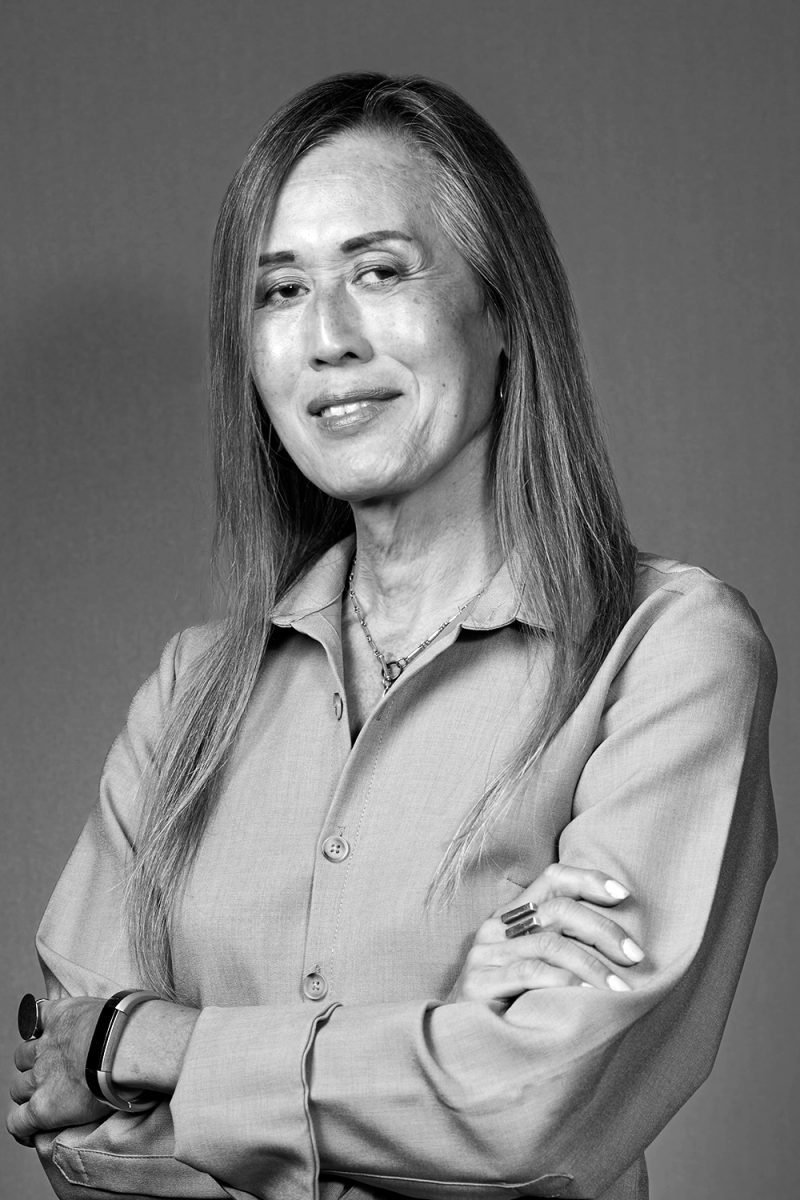
Gina Chua
Gina Chua brings decades of newsroom leadership to the Tow-Knight Center's work on journalism and AI. As Executive Editor at Reuters, she managed newsroom operations, budgets, safety, and collaborated with technology teams on tool development. She has served as Editor-in-Chief of the South China Morning Post and the Asian Wall Street Journal, and Deputy Managing Editor of the Wall Street Journal. She is also Executive Editor at Large at Semafor, where she joined the founding team in 2022. She is a graduate of Columbia Journalism School and the University of Chicago.
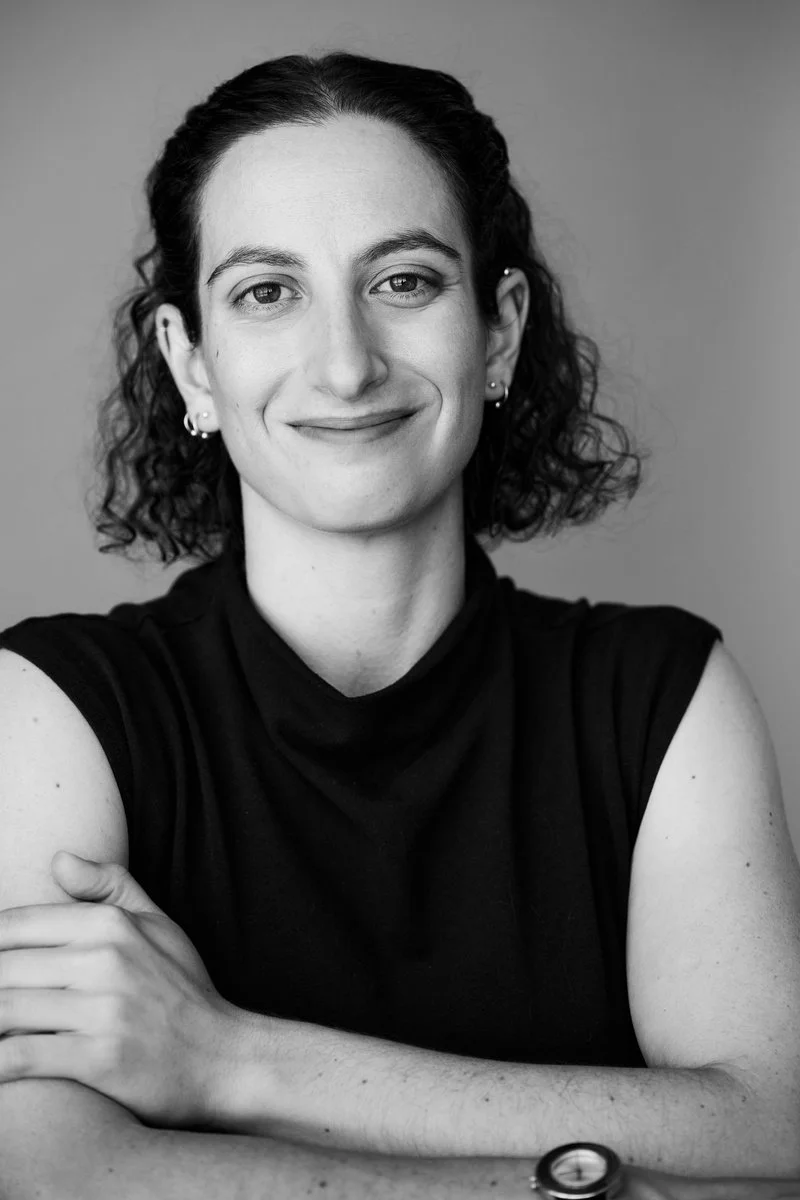
Adiel Kaplan
An investigative and data journalist, Adiel Kaplan leads the design of the Tow-Knight Center's programs, prototypes, and research. She writes about what the team is learning and builds the center's AI lessons and tools. Before the center, she was a reporter and editor with NBC News's Investigative Unit, covering climate, criminal justice, healthcare, and labor. She teaches investigative reporting for Columbia Journalism School's Toni Stabile Center and Data Program and leads the Global Investigative Journalism Oral History Project with Incite Institute.
READ OUR THINKING
From (Re)Structured News, our newsletter on AI and the future of journalism.